

 See My Latest Article on HelloNation
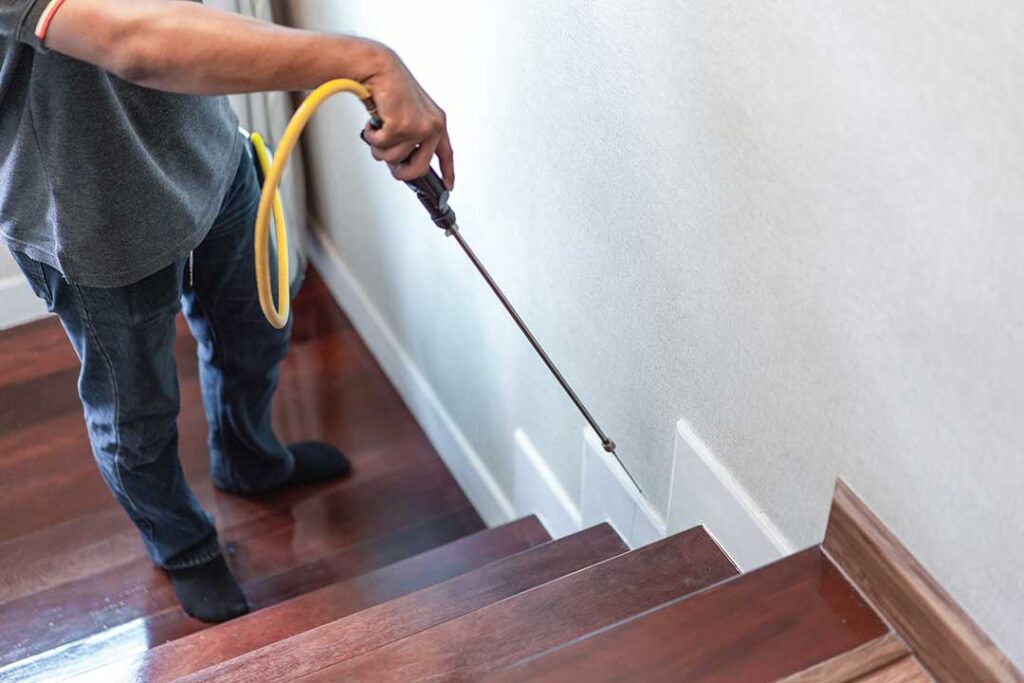
Are Bed Bugs Dangerous for Rochester, NY Residents?
Bed bugs are not known to transmit diseases to humans through their bites. However, their presence in a home can lead to physical discomfort, emotional stress, and sometimes secondary health issues. For households in Rochester, NY—especially with the climate's seasonal fluctuations and mix of older homes and apartments—understanding these risks is essential to respond calmly and effectively.
What Health Risks Are Associated with Bed Bug Bites?
Most people in Rochester will experience itchy welts or red bumps if bitten. Reactions vary based on individual sensitivity:
- Itching and inflammation: Bites can become irritated, sometimes leading to persistent scratching.
- Secondary infection: Repeated scratching may break the skin, creating opportunities for common bacteria to enter, potentially resulting in impetigo or other minor skin infections.
- Allergic reactions: Some develop larger, localized rashes or swelling. Rarely, there may be more extensive allergic responses.
Generally, the primary risk comes from how individuals react to bites, not from the bugs themselves. Applying anti-itch treatments and keeping the area clean can reduce complications. Seek advice from a medical professional if a bite appears infected or if a more significant allergic reaction develops.
Can Bed Bugs Transmit Disease?
There is no evidence that bed bugs transmit diseases to humans through bites. Unlike ticks or mosquitoes, bed bugs have not been proven to carry or spread infectious agents such as viruses or bacteria between people. Studies—including those referenced by the Centers for Disease Control and Prevention—consistently find no confirmed link between bed bugs and disease outbreaks.
What Myths or Misconceptions Confuse Residents?
Bed bugs are surrounded by confusion. Here are some persistent myths, clarified for local residents:
- “Bed bugs indicate poor hygiene.”
Bed bugs are not attracted to dirt; they are drawn to warmth and carbon dioxide. Even clean apartments or houses in Rochester can experience bed bug issues.
- “Only beds can have bed bugs.”
These insects hide in many places: mattress seams, couch cushions, behind baseboards, and in electrical outlets—anywhere with tight crevices.
- “They only bite at night.”
While bed bugs are mainly nocturnal, hungry bugs may bite during the day if the opportunity arises.
- “You can see and catch every bug.”
Nymphs and eggs are tiny and challenging to spot. The entire infestation is rarely visible all at once, especially in cluttered rooms.
What Emotional or Psychological Effects Can Bed Bugs Have?
Although bed bugs don’t spread disease, the anxiety they cause is real. Local residents often report:
- Difficulty sleeping due to fear of being bitten
- Embarrassment or stigma, which can delay necessary action
- Ongoing worry about spread to neighbors or visitors

Persistent sleeplessness or heightened anxiety can have broader impacts on daily functioning and family life, especially in close-knit or multi-unit housing communities.
Are Bed Bugs a Greater Risk in Any Specific Areas or Housing Styles?
In Rochester, multi-unit buildings (like apartments or duplexes) may see higher rates of bed bug migration between units, especially if preventive measures aren’t coordinated. Older and densely packed housing can offer more hiding spots. International travel or furniture sharing in the community also increases risk.
However, individual homes, townhouses, and newer builds are not immune. Local climate plays a smaller role indoors, as bed bugs thrive mainly thanks to year-round warmth created by central heating.
What Should Residents Do After Finding Bed Bugs?
If bed bugs are found, keep calm. While the situation is unpleasant, the health risks are typically limited to itching, potential minor infection, and psychological discomfort. General guidance includes:
- Avoid excessive scratching to prevent infection
- Wash affected areas with soap and water
- Bag bedding or clothes in sealed containers until laundering on high heat
- Minimize clutter to reduce hiding places
Only in cases where there is widespread infestation or risk to particularly sensitive individuals (such as those with severe allergies or compromised immune systems) is medical or community health guidance necessary.
Why Is Community Awareness Important?
Quick, informed responses and correct information sharing help the whole city. For example, notifying landlords or building managers promptly in apartment settings helps reduce the chance of spread. Public health agencies can also sometimes provide advice for more complex situations or help support vulnerable residents, such as the elderly or those with limited mobility.
In summary, bed bugs aren’t a severe medical risk for most people in Rochester, but understanding reality—rather than relying on myths—can save stress and help protect the community's well-being.