

 See My Latest Article on HelloNation
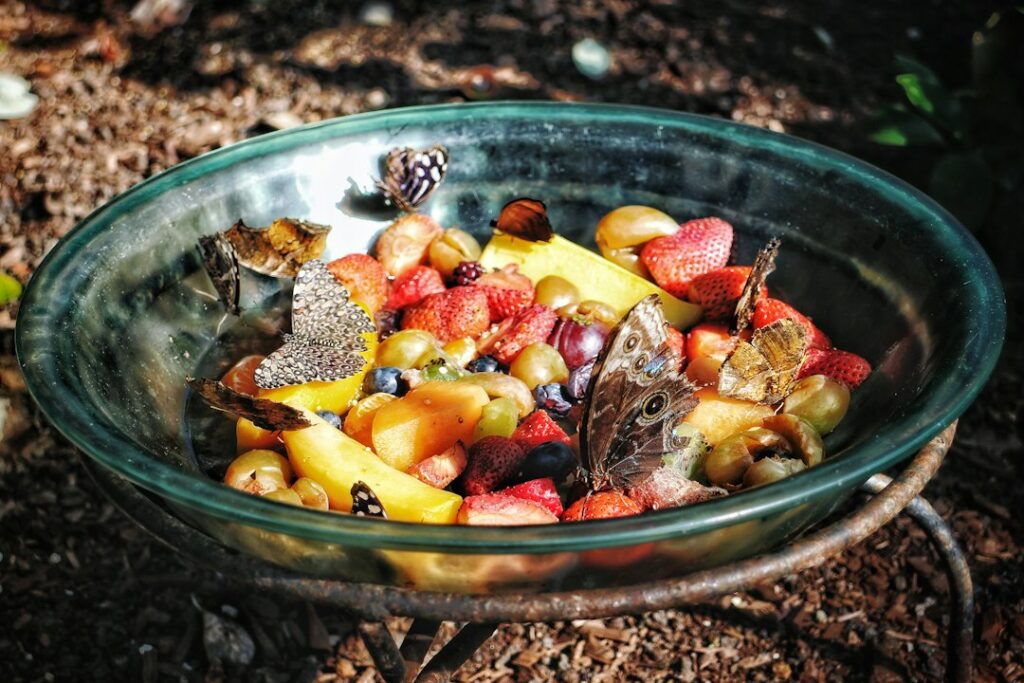
Fruit flies can seem to appear overnight, especially in kitchens during warm, humid periods. The adults are small, but a few flies may indicate a hidden breeding site involving overripe produce, beverage residue, recycling containers, drains, or damp organic material.
The fastest solution is not simply killing the visible flies. It is removing the material where they feed and reproduce, then trapping the adults that remain.
What are fruit flies, and where do they come from?
Fruit flies are tiny flies attracted to fermenting or decomposing organic matter. They are commonly associated with produce, but they may also develop in spilled juice, wine, beer, sugary residue, food scraps, or dirty recycling containers.
A typical indoor source may include:
- Bananas, tomatoes, onions, potatoes, or other produce left at room temperature
- A kitchen compost container or garbage can
- Empty bottles, cans, and jars that still contain residue
- Sticky spills beneath appliances or furniture
- A damp mop head, cleaning cloth, or forgotten food container
- Organic buildup inside a sink or floor drain
Fruit flies reproduce quickly. Under favorable indoor conditions, a new generation can develop in roughly one to two weeks, so a small problem can become noticeable before the source is obvious.
How can fruit flies be removed quickly?
The quickest approach combines sanitation, source removal, and trapping. Focus first on anything that could provide moisture and fermenting food.
Start by inspecting the kitchen carefully. Check produce bowls, pantry shelves, recycling bins, trash cans, under appliances, and areas around the sink. Throw away food that is leaking, moldy, or fermenting. Refrigerate produce that does not need to ripen on the counter.
Wash reusable containers before placing them in recycling. Empty indoor garbage and compost containers, then clean the inside and underside of the lid. Wipe counters, cabinet edges, and floors where sugary or alcoholic liquids may have spilled.
Rinsing the sink is helpful, but it may not remove organic film inside the drain. Scrubbing the drain opening and stopper can remove material that supports small flies. Avoid mixing household cleaning products, especially bleach with ammonia or acidic cleaners.
Do homemade fruit fly traps work?
Yes. A simple liquid trap can reduce adult fruit flies, but it works best after the breeding source has been removed.
Place a small amount of vinegar, wine, beer, or fruit juice in a shallow container. Add a drop of dish soap. The liquid attracts the flies, while the soap reduces surface tension and makes it harder for them to escape.
A paper funnel placed in the container can help guide flies toward the liquid. The trap should be positioned near the suspected source rather than in the middle of the room. Replace the liquid when it becomes dirty or loses its odor.
Traps do not solve the entire problem by themselves. If flies continue emerging from a drain, trash container, or hidden spill, new adults may replace the ones captured.
Could the flies be coming from a drain?
Possibly, but appearance matters. Fruit flies are usually tan to brown and may have noticeably red eyes. Drain flies are smaller moth-like insects with fuzzy wings, while fungus gnats are slender, dark insects often found around damp potting soil.
If the insects are fruit flies, a drain can still serve as a breeding site when food residue and moisture collect inside the pipe. To check, clean the drain opening and cover it overnight with clear tape or a clear container, leaving enough space for airflow. If flies appear beneath the covering, the drain may need additional cleaning.
A boiling-water treatment is not appropriate for every plumbing system and may not remove the film where larvae develop. Mechanical cleaning is generally more reliable. Do not pour insecticides into drains unless the product label specifically allows that use.
Why do fruit flies keep coming back?
Recurring fruit flies usually mean that a breeding source remains or that new flies are entering from another area. The hidden source may be surprisingly small.
Common overlooked locations include:
- The underside of a recycling bin
- A garbage disposal splash guard
- A damp cloth left near the sink
- Potatoes or onions stored in a dark cabinet
- A cracked container holding food scraps
- Liquid beneath a refrigerator or stove
- A forgotten lunch container, cup, or bottle
- Organic residue around a floor drain

In apartment buildings and attached housing, flies may also move through shared plumbing spaces or enter around plumbing penetrations. Keeping the kitchen clean can reduce the problem, but it may not explain every recurring infestation if the source is outside the immediate room.
How should Rochester households handle fruit flies seasonally?
In Rochester, warm indoor conditions can support fruit flies even when outdoor temperatures fall. During late summer and early fall, households often bring home more fresh produce, preserve garden harvests, or keep fermentation-prone foods at room temperature. These habits can create conditions fruit flies readily use.
Cold weather does not automatically end an indoor infestation. Heated kitchens, basement areas, and enclosed waste containers can remain suitable for breeding. Produce stored in cool areas should still be checked regularly for soft spots, leaks, and mold.
During warmer months, screens and closed doors can help limit outdoor insects, but typical fruit fly problems are usually caused by an indoor food or moisture source rather than by flies entering from outside.
Are sprays necessary?
Usually not. Household insect sprays may kill exposed adults, but they rarely reach eggs or larvae and do not remove the material supporting reproduction. Spraying near food preparation surfaces also creates avoidable exposure concerns.
Sanitation and traps are generally more useful for a small indoor infestation. If an insecticide is used, follow the label exactly, keep it away from food and food-contact surfaces, and never apply a product to a drain unless the label permits it.
When is the problem more than a minor kitchen issue?
A few fruit flies should begin declining within several days after the source is removed and traps are placed. Continued activity for more than two weeks, large numbers throughout the home, or flies emerging from wall voids, plumbing areas, or inaccessible spaces suggests that the source may be difficult to reach.
Extra caution is appropriate when insects are found near food preparation areas in a childcare, medical, or food-handling setting. Persistent problems in those environments require careful sanitation and compliance with applicable health and safety procedures.
For most households, the practical sequence is straightforward: identify the breeding material, discard or clean it, scrub nearby surfaces and drains, secure food and waste, and use traps for the remaining adults. The visible flies are only the symptom; removing the breeding site is what ends the cycle.