

 See My Latest Article on HelloNation
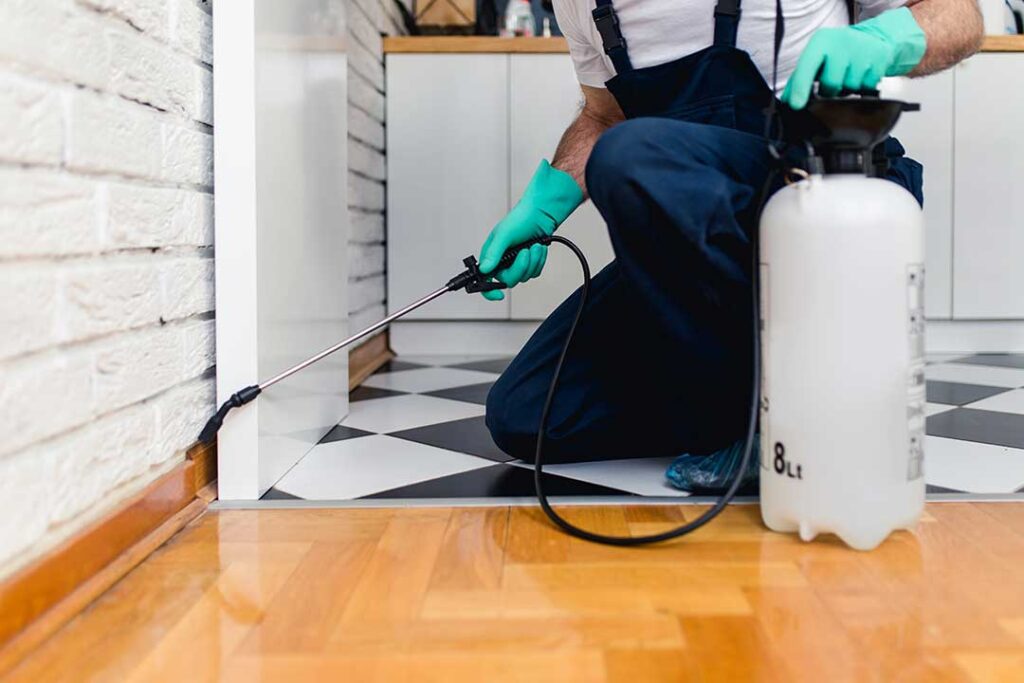
Ultrasonic pest repellents are plug-in or battery-powered devices that emit high-frequency sound intended to disturb or drive away mice, rats, insects, and other pests. For households in Rochester, NY, the practical answer is straightforward: these devices may produce sound, but there is little reliable evidence that ordinary residential units eliminate established pest problems.
That distinction matters. A device can be active, make a noise outside the range of human hearing, and still have little meaningful effect on pests inside a home.
What are ultrasonic pest repellents supposed to do?
Ultrasonic repellents are designed to produce sound above the normal range of human hearing, commonly described as frequencies higher than about 20,000 hertz. Product packaging often claims that the sound creates an uncomfortable environment for rodents, cockroaches, spiders, mosquitoes, or other unwanted animals.
The proposed effect is usually behavioral rather than lethal. The sound is meant to make pests leave an area or avoid entering it.
Unlike a trap, bait, or pesticide, an ultrasonic unit does not physically remove pests or reduce their ability to reproduce. Its success depends entirely on whether the sound causes a sustained avoidance response.
Do ultrasonic devices work on mice and rats?
They should not be treated as a dependable solution for mice or rats. Research and extension guidance have generally found that rodents may show a brief startle or avoidance reaction, but they can become accustomed to repeated sounds. That response may fade within days, especially when food, warmth, nesting material, and shelter are available.
Rodents also do not experience sound evenly throughout a building. Ultrasonic waves are directional and lose intensity as they travel. They do not reliably pass through walls, ceilings, closed doors, furniture, insulation, stored items, or other obstructions.
A unit placed in a basement, for example, may have little effect on mice moving inside wall voids, behind cabinets, beneath appliances, or in an attic. Adding more devices may increase coverage in open areas, but it does not solve the basic limitations of the technology.
Can they repel cockroaches, spiders, mosquitoes, or fleas?
Evidence is weak for common household insects and arachnids. Claims that a single device will repel many unrelated species should be viewed cautiously because different pests respond to sound in different ways.
Mosquitoes are not reliably controlled by household ultrasonic devices. Such products do not replace window screens, bed nets, targeted repellents, or removal of standing water.
Spiders are also unlikely to be controlled simply by sound. They generally respond more to prey availability, shelter, moisture, and access points than to an ultrasonic signal.
Fleas live on animals, in carpeting, in floor cracks, and in soft furnishings. A sound-emitting device does not address the life stages that make flea control difficult, including eggs and larvae. Treating the animal, cleaning resting areas, and interrupting the flea life cycle are more relevant steps.
Cockroaches may continue feeding and nesting in areas where an ultrasonic unit is operating, particularly where food, moisture, and hiding spaces are available.
Why might someone think the device worked?
A pest sighting may stop for reasons unrelated to the device. Seasonal temperature changes, food storage improvements, a cleaned-up basement, a moved woodpile, a repaired pipe, or natural changes in pest activity can all create the impression that the unit caused the improvement.
Pests may also shift to a less visible location rather than leave the structure. Mice that stop appearing in a kitchen may still be active behind walls or in a ceiling. Fewer sightings do not necessarily mean fewer pests.
A short-term reaction is possible in some situations, particularly in an open area with few alternative shelters. That is different from dependable, long-term control.
Are ultrasonic repellents dangerous?
Most basic plug-in devices do not contain pesticides, so they generally do not create the same exposure concerns as chemical products. However, “chemical-free” does not mean effective, tested, or risk-free in every circumstance.
Pets may hear frequencies that people cannot. Dogs, cats, rodents kept as pets, rabbits, and other animals can have more sensitive hearing than humans. A household with pets should avoid assuming that an inaudible device is irrelevant to them. Watch for unusual agitation, avoidance, or changes in behavior, and discontinue use if concerns arise.
Electrical safety also matters. Devices should not be used with damaged cords, overloaded outlets, extension cords in damp areas, or outlets exposed to basement moisture. An ultrasonic unit should never be used as a reason to ignore a known infestation, chewed wiring, droppings, contamination, or structural damage.
What works better in Rochester homes?
The most reliable approach is to address the conditions that allow pests to survive.
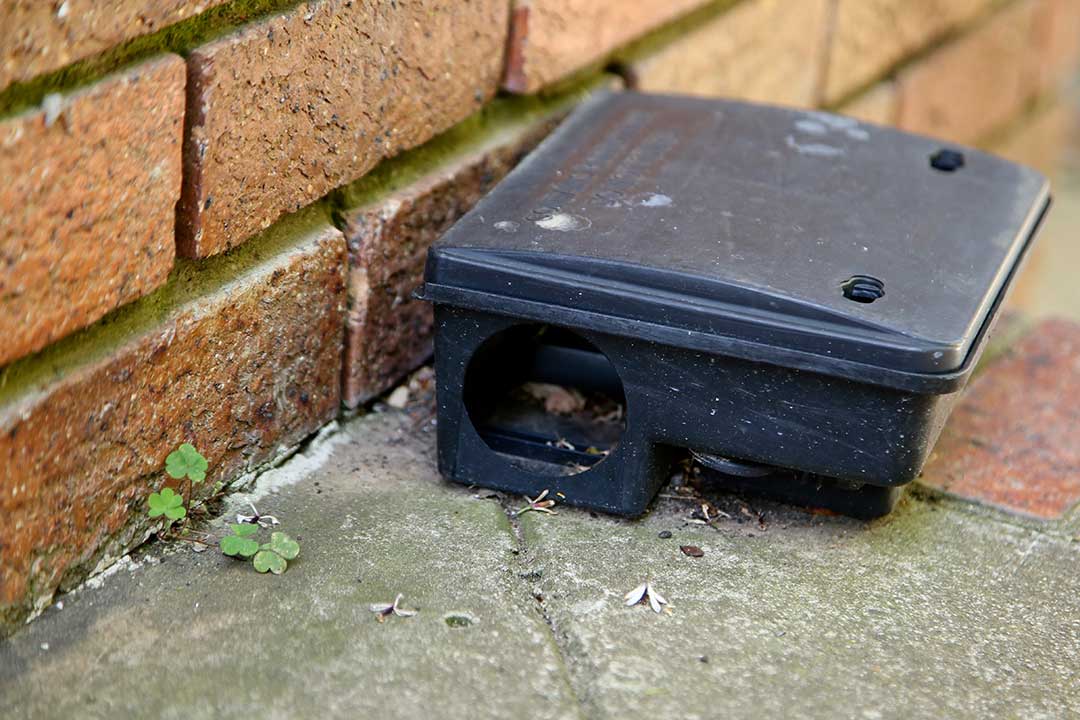
In the local climate, seasonal temperature changes can push mice and other wildlife toward warmer buildings in fall and winter. Older homes, attached garages, stone foundations, utility penetrations, roof gaps, and basement windows can provide convenient entry points.
Useful steps include:
- Seal openings around pipes, vents, doors, foundations, and utility lines with durable materials suited to the gap.
- Repair torn screens, damaged door sweeps, loose window fittings, and gaps beneath garage doors.
- Store cereal, pet food, birdseed, and other food in tightly closed containers.
- Clean crumbs and food residue, especially beneath appliances and inside cabinets.
- Correct plumbing leaks and reduce persistent moisture in basements, crawl spaces, and under sinks.
- Keep firewood, leaf piles, and dense vegetation away from the foundation where practical.
- Use appropriately placed traps when rodents are confirmed, following label directions and keeping them away from children and pets.
- Identify the pest before choosing a treatment, because mice, carpenter ants, pantry pests, fleas, and stinging insects require different control methods.
For rodents, exclusion is usually more dependable than trying to frighten them away. For insects, sanitation, moisture control, sealing, and targeted treatment are generally more useful than sound-based products.
What should a buyer look for on the packaging?
Marketing language deserves careful attention. Be cautious of claims that a single device repels every pest, protects an entire house through walls, or permanently eliminates an infestation without traps, sealing, cleaning, or other measures.
An EPA registration number, when present on a product, should not automatically be interpreted as proof that the device is effective. Some electronic pest-control products are categorized as devices rather than chemical pesticides, and they are not evaluated in the same way as registered pesticide products.
The most reasonable expectation is limited: an ultrasonic device may be an optional experiment in a specific, open area, but it should not be the primary plan for an active pest problem. If signs continue—droppings, gnaw marks, nesting material, damaged food packaging, insect activity, or unexplained odors—the underlying cause still needs to be addressed.