

 See My Latest Article on HelloNation
Pest control does not follow one universal schedule. For many homes, a seasonal inspection and prompt attention to warning signs are enough. Homes with recurring ants, rodents, cockroaches, termites, stinging insects, or moisture-related pests may need more frequent monitoring.
The right frequency depends on the pest, the building, the season, and whether the goal is prevention or treatment.
How often should pest control be done in a home?
For a typical home, pest prevention should be reviewed at least once a year, preferably in spring or early summer. A yearly check can identify entry points, moisture problems, food sources, damaged screens, and conditions that allow pests to establish themselves.
More frequent attention may be appropriate when:
- A pest problem has already been confirmed
- The home has a basement, crawl space, or attached garage
- There are recurring leaks, condensation, or drainage problems
- The property borders wooded areas, gardens, or heavy vegetation
- Residents have seen rodents, cockroaches, bed bugs, or carpenter ants
- The home has a history of repeated infestations
- A treatment plan requires follow-up visits or monitoring
Routine pesticide application is not automatically necessary in every home. Inspection, sanitation, exclusion, moisture control, and targeted treatment are usually more useful than applying products on a fixed schedule without evidence of pest activity.
Is quarterly pest control necessary?
Quarterly service can make sense for homes with persistent or recurring pest pressure, but it is not required for every household. A three-month interval is sometimes used because it allows monitoring across changing seasons and catches developing problems before they become severe.
Quarterly attention may be reasonable when a home has:
- Repeated ant activity during spring and summer
- Mouse activity during fall and winter
- A history of cockroaches or other indoor pests
- Frequent visitors to a basement, attic, or crawl space
- Nearby brush, standing water, compost, or dense landscaping
- Multiple entry points that are difficult to correct immediately
For a home without a pest history, quarterly pesticide applications may provide little benefit. Regular visual checks and basic prevention can be more appropriate, especially when there are no droppings, damage, nests, live insects, or other signs of an active problem.
How does Rochester’s climate affect pest activity?
Rochester, NY has four distinct seasons, with cold, snowy winters and humid periods during the warmer months. Those seasonal changes influence where pests move and when they are most noticeable.
Spring often brings ants, flies, stinging insects, and occasional moisture-related pests. As soil warms and vegetation becomes active, insects may move toward foundations, kitchens, windows, and wall voids.
Summer can increase activity from mosquitoes, wasps, flies, spiders, and outdoor ants. Warm weather also encourages food waste, standing water, and open windows, all of which can make homes more attractive to pests.
Fall is a common time for mice and other rodents to seek shelter indoors. Small gaps around foundations, utility lines, garage doors, roof edges, and basement windows can become important entry points.
Winter usually reduces outdoor insect activity, but it can make indoor rodent problems more noticeable. Warm wall cavities, attics, basements, and stored food provide shelter when outdoor conditions are harsh. Some insects may also remain active indoors if they have access to heat, moisture, and food.
What is a reasonable schedule for common household pests?
Different pests require different timing. A schedule designed for ants may not be appropriate for rodents or bed bugs.
Ants
Inspect for ants in spring and again during periods of heavy activity. A single ant may be an outdoor forager, while repeated trails can indicate a nearby nest or an entry route. Moisture around sinks, plumbing, foundations, and window frames can increase the likelihood of activity.
Mice and rats
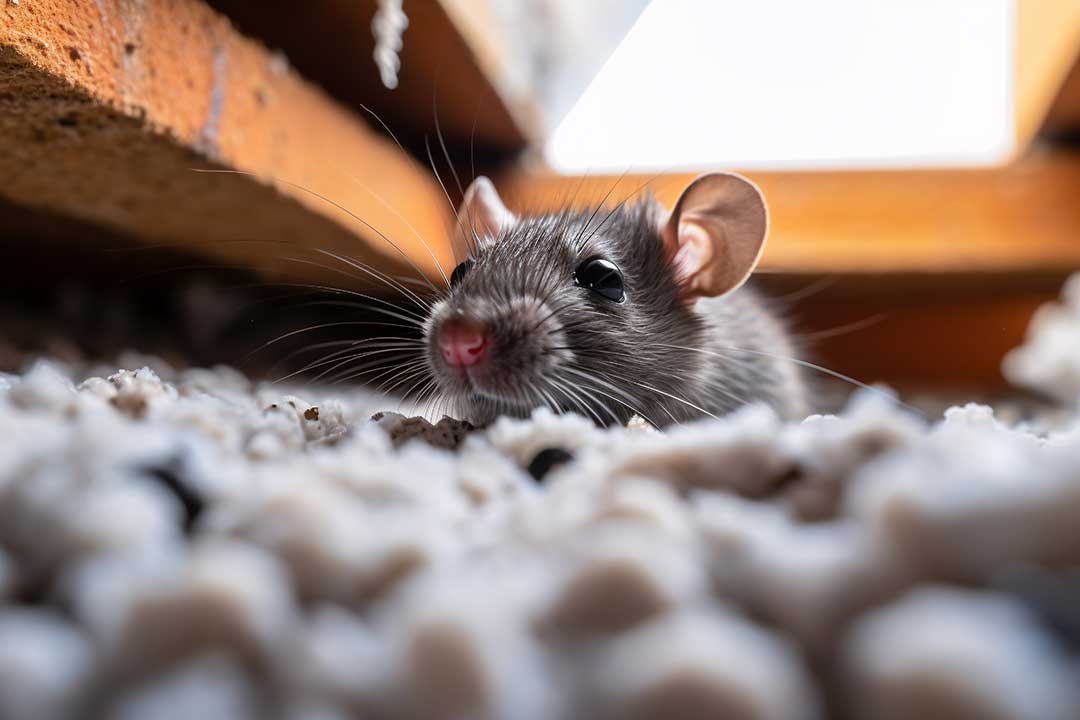
Check exterior gaps and interior signs at least once a year, with extra attention in early fall. Droppings, scratching sounds, gnaw marks, nesting material, stale odors, and damaged food packaging suggest that inspection should happen promptly rather than waiting for a seasonal visit.
Cockroaches
Cockroach problems generally require more than occasional treatment. Monitoring, cleaning, moisture reduction, sealing cracks, and follow-up checks are often needed over several weeks. Seeing cockroaches during the daytime can indicate a substantial population, although any sighting deserves attention.
Carpenter ants and wood-destroying pests
Inspection is more important than a fixed treatment interval. Carpenter ants may be associated with damp or damaged wood, roof leaks, plumbing leaks, or poor drainage. Correcting the moisture source is often essential. Wood damage, sawdust-like material, or repeated insect activity near structural wood should not be ignored.
Stinging insects
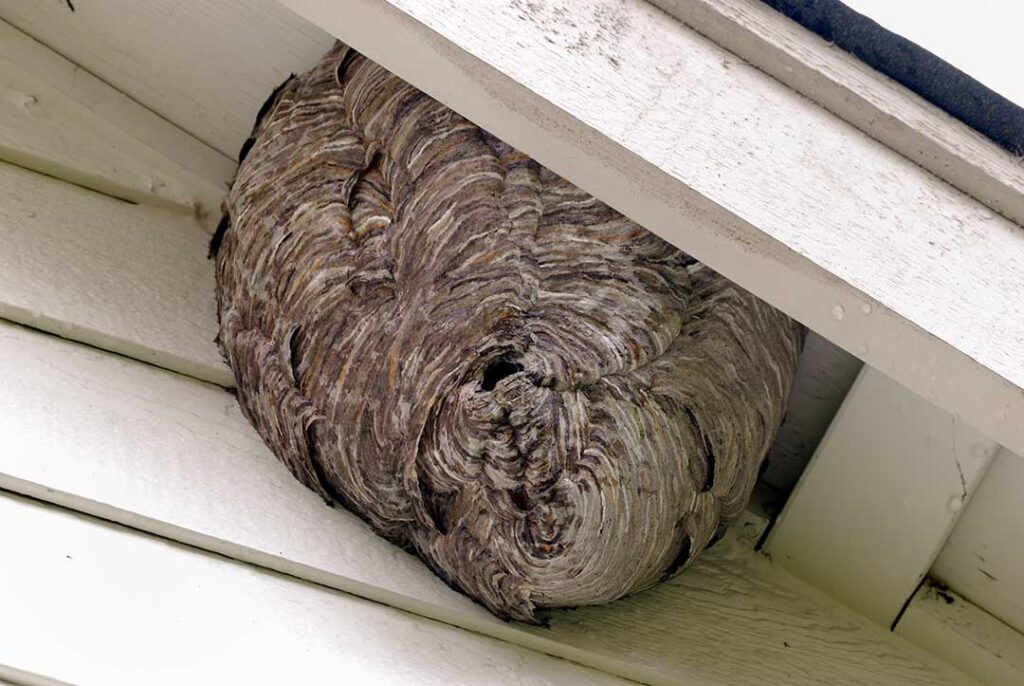
Nests are usually most noticeable from late spring through early fall. Small outdoor nests may remain localized, but activity near doors, play areas, attic vents, wall openings, or heavily used parts of the yard can create a safety concern. Nests inside walls or occupied areas require extra caution.
Bed bugs
Bed bug control is usually event-driven rather than seasonal. A confirmed infestation may require inspection, preparation, treatment, and follow-up monitoring. Waiting for a yearly inspection is not appropriate when there are bites, shed skins, dark spotting, or live insects around sleeping areas.
What should homeowners inspect between treatments?
A quick monthly walkthrough can prevent minor conditions from becoming larger problems. Check:
- Basement and crawl-space walls for dampness or condensation
- Plumbing areas beneath sinks and around water heaters
- Door sweeps, window screens, and foundation cracks
- Attic vents, roof penetrations, and soffit openings
- Stored food, pet food, birdseed, and garbage containers
- Firewood, cardboard, and clutter near the foundation
- Gutters, downspouts, and areas where water collects
- Droppings, gnaw marks, insect wings, nests, or unusual odors
In older homes, small gaps may develop around utility lines, masonry, windows, and porches over time. Sealing those openings can be more valuable than repeating a broad treatment.
When should pest control be done immediately?
Prompt attention is appropriate when pests may affect health, safety, sanitation, or the structure of the home. Examples include rodents in living areas, cockroaches in kitchens, bed bugs, bats or wildlife inside occupied spaces, aggressive stinging insects, termites, or suspected electrical-wire damage from gnawing.
Residents should also act quickly when children, pets, older adults, or people with asthma or allergies may be exposed to pests or pesticide products. Pesticides should be used only as directed on the label, and indoor products should never be applied more frequently or in larger amounts than the instructions allow.
If a treatment involves restricted-use pesticides, hazardous conditions, inaccessible nests, wildlife, or possible structural damage, trained and properly authorized assistance may be necessary.
What is the simplest schedule to follow?
A practical home maintenance schedule is:
- Monthly: Look for leaks, droppings, entry gaps, nests, and food-storage problems.
- Spring: Inspect the foundation, screens, doors, drainage, and signs of emerging insects.
- Early fall: Check for rodent entry points before colder weather drives activity indoors.
- Annually: Review the attic, basement, crawl space, exterior walls, and moisture conditions.
- As needed: Address confirmed activity promptly instead of waiting for the next routine interval.
The most effective frequency is the one matched to the pest and the property. A well-sealed, dry home with no signs of activity may need only seasonal prevention and an annual review. A home with recurring infestations may need monitoring every few months, targeted treatment, and repairs that remove the conditions allowing pests to return.