

 See My Latest Article on HelloNation

Are Natural Pest Repellents Effective in Rochester, NY?
Yes—many natural solutions can help reduce pest activity in local homes, especially for common nuisances like ants, spiders, mosquitoes, and mice. While chemical sprays are widely available, those seeking a lower-impact alternative have several science-backed and practical options. These methods work best as part of an overall routine that includes keeping homes dry, clear of food waste, and well-sealed.
Which Natural Ingredients Actually Repel Pests?
Several scents and substances found in typical households can serve as reliable deterrents:
- Peppermint oil deters ants, spiders, and mice. Soaking cotton balls and placing them near suspected entry points creates a noticeable barrier. Many local households find added benefits in how mint oil leaves rooms smelling fresher.
- Vinegar (white or apple cider) disrupts scent trails used by ants. Mixing equal parts vinegar and water to wipe down kitchen counters is an effective, residue-free approach.
- Diatomaceous earth (food grade) works for crawling insects like earwigs, silverfish, and occasional cockroaches. Sprinkle a thin line along baseboards, under sinks, and near entryways. This powder injures pests’ exoskeletons without poisoning pets or people.
- Cedarwood chips or sachets discourage moths and some beetles in closets and drawers.
- Garlic and citrus sprays can repel some outside insects when applied to garden beds or the edges of foundations. Local gardeners often blend garlic cloves with water as a gentle anti-mosquito treatment for outdoor patios.
How Well Do Plant-Based Sprays and Essential Oils Work in Local Homes?
Plant-based repellents vary in effectiveness, but certain approaches offer worthwhile protection in Rochester’s seasonal climate:
- Citronella is widely used to deter mosquitoes on porches and patios. While pure citronella oil helps in repelling flying pests near seating areas, wind and rainfall can diminish its effect, so reapplication is often necessary after storms.
- Lavender oil is reported to deter fleas and ticks, and can be applied (diluted) around interior window sills or pet bedding.
- Eucalyptus oil targets flies and some beetles but requires frequent freshening since the scent fades quickly indoors.
Natural sprays are most helpful as preventive barriers—they are less effective once a pest population has established itself inside. For minor nuisance situations, these products can minimize chemical exposure while reducing pest encounters.
Do DIY Natural Methods Prevent Rodent Problems in Rochester, NY?
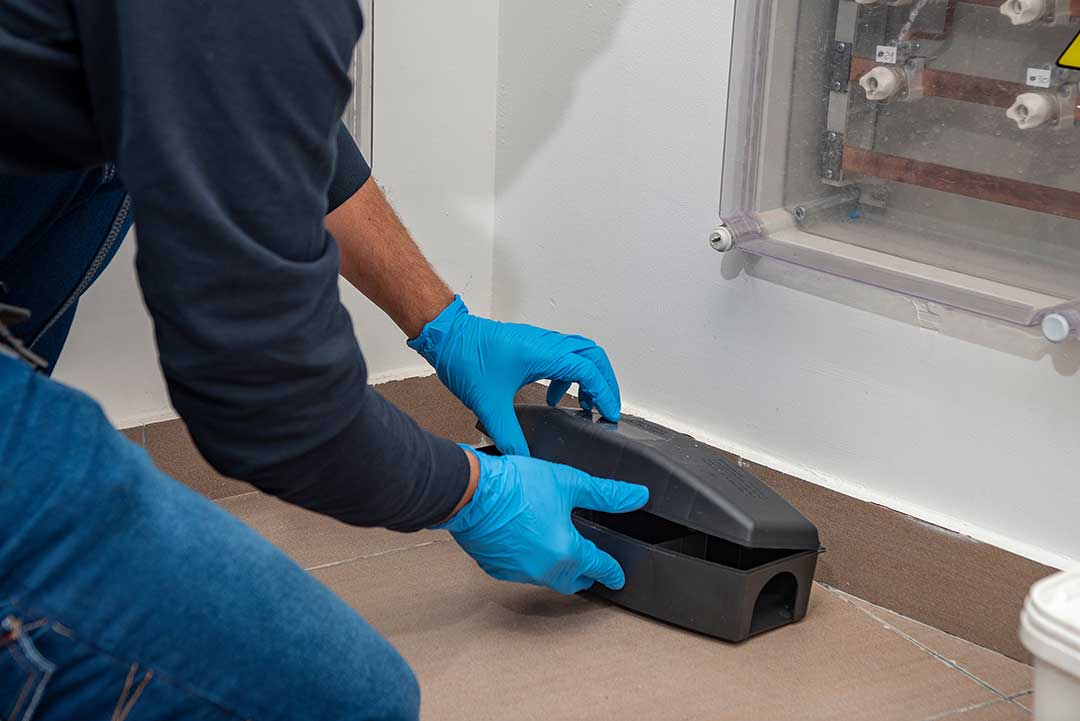
Natural deterrents can help discourage mice and rats from entering homes when paired with good exclusion practices:
- Peppermint oil along baseboards or near small gaps is commonly used for mice, though rodents may adapt if scents don't change.
- Seal all food in airtight containers and limit accessible water sources, especially in basements or older homes where rodents are most active during colder months.
- Steel wool (not technically a “natural repellent” but a non-chemical option) blocks common rodent entry points around pipes and foundation cracks.
While these manual measures reduce risk, high rodent pressure—often triggered in fall and winter—usually requires persistent attention to both repellents and physical exclusion.
What Role Do Habitat Changes Play in Natural Pest Reduction?
Adjusting indoor and outdoor environments remains the most reliable way for area households to reduce pest activity naturally:
- Keep kitchens and pantries tidy; wipe up crumbs and store food in sealed containers.
- Eliminate standing water near foundations and gutters, as local mosquitoes breed rapidly in damp summer weather.
- Trim shrubs and tree limbs back from exterior walls, giving pests fewer routes into the house.
- Compost bins and wood piles should be kept as far from exterior walls as possible; these attract both insects and rodents, especially during rainy stretches.
Making these changes improves the results of any application of natural repellents.
What Misconceptions Do Local Residents Have About Natural Repellents?
A common misunderstanding is that “natural” means safe for everyone, everywhere. Essential oils (like peppermint or eucalyptus) can be irritating to pets and people with allergies. Always test a small area and keep treatments out of reach of children and pets.
Some residents also expect natural remedies to eliminate large pest infestations; in reality, these solutions are best for prevention and minor issues. Major or repeated problems with wasps, stinging insects, or wildlife may require further assessment, especially if health or safety risks are involved.
Are There Regulatory or Seasonal Considerations Specific to Rochester, NY?
Weather plays a large role in pest behavior locally—spring thaw and fall cooling each cause influxes of pests indoors. Heavy rains increase mosquito and ant activity, while extreme cold drives rodents to seek warmth.
There are no municipal restrictions on household use of natural pest repellents, but those living near sensitive habitats (such as waterways or community gardens) should avoid excessive use of any substance, even natural ones, to protect pollinators and beneficial insects.
Households with vulnerable residents (such as young children or elderly adults) may choose non-chemical options first, reserving stronger measures for persistent or large-scale pest issues.