

 See My Latest Article on HelloNation
Mosquitoes are most effectively managed by removing breeding sites, reducing places where adults rest, and protecting people during outdoor activity. In Rochester, NY, spring rain, humid summer weather, shaded yards, and frequent drainage problems around older homes can create many small pockets of water where mosquitoes reproduce.
What attracts mosquitoes to a backyard?
Mosquitoes need very little water to lay eggs. A clogged gutter, overturned toy, flowerpot saucer, or folded tarp can hold enough water to support mosquito development.
Adult mosquitoes also seek cool, damp, protected areas during the day. Dense vegetation, tall grass, leaf piles, brush, and shaded spaces beneath decks can provide shelter. A yard does not need a pond or wetland nearby to develop a mosquito problem.
Common backyard sources include:
- Birdbaths and plant saucers
- Children’s toys, buckets, and watering cans
- Pet bowls left outdoors
- Wheelbarrows and garden equipment
- Pool covers and unused inflatable pools
- Clogged gutters and downspouts
- Tarps, recycling bins, and trash containers
- Low spots that remain wet after rainfall
- Tree holes, hollow stumps, and rotting logs
Mosquitoes may also come from nearby properties, storm drains, wooded areas, or wetlands. That is why removing standing water at home may reduce the number of mosquitoes without eliminating every adult mosquito in the surrounding area.
How often should standing water be removed?
Inspect the yard at least once a week, and check again after heavy rain. Emptying water is helpful, but scrubbing containers is better because mosquito eggs can remain attached to damp surfaces.
For each container:
- Empty the water completely.
- Scrub the inside to remove eggs and residue.
- Turn the container upside down or store it indoors.
- Cover larger items so rain cannot collect inside.
Pay special attention after periods of repeated rainfall. In the Rochester area, water may collect beneath leaves, around foundation drains, or in uneven areas of lawns that are easy to overlook.
Water that cannot be removed should be managed carefully. Large containers that are not used for drinking may sometimes be treated with a larvicide labeled for mosquito control. Follow the product label exactly, and never use a treatment in water intended for people, pets, wildlife, or garden irrigation unless the label specifically allows it.
What should homeowners do with birdbaths, rain barrels, and pools?
Birdbaths should be emptied and scrubbed regularly rather than simply topped off. Fresh water added to old water can leave mosquito eggs behind on the basin.
Rain barrels need tight-fitting screens or covers that prevent adult mosquitoes from entering. Check the screen for gaps and make sure overflow areas do not create puddles beside the barrel.
Swimming pools are generally less attractive to mosquitoes when they are properly maintained and circulating. The greatest problems often occur with neglected pools, children’s pools, and pool covers that collect rainwater. Keep water treated according to the pool’s instructions, remove water from the cover, and empty small temporary pools when they are not in use.
Outdoor furniture and equipment deserve attention as well. Turn over wheelbarrows, recycling containers, toys, and plant trays so they cannot hold rain.
Can landscaping reduce mosquitoes?
Landscaping can make a yard less favorable to adult mosquitoes, although it cannot remove every mosquito. Keep grass trimmed, clear excessive brush, and remove leaf piles that stay damp for long periods.
Prune dense shrubs where practical, especially near patios, doors, and seating areas. Mosquitoes often rest in shaded vegetation during the day and become active when people enter those spaces later.
Improve drainage where water repeatedly remains for several days. Clean gutters, extend downspouts away from the foundation, and correct small depressions that collect runoff. Do not fill or alter natural water features without checking applicable rules, especially if drainage changes could affect neighboring properties.
Mosquito-repelling plants are sometimes promoted as a complete solution, but planting them alone does not reliably prevent bites. Their presence does not replace removing standing water, using screens, or applying personal repellent.
How can people reduce bites while sitting outside?
Personal protection is especially useful during periods of high mosquito activity. Wear loose-fitting long sleeves, long pants, and socks when practical. Use an insect repellent according to its label, particularly on exposed skin during evening activities.
Mosquitoes are often more active around dawn, dusk, and after sunset, although activity varies by species and weather. Warm, still, humid conditions can make outdoor areas feel especially active.
Patios and porches are easier to protect when screens are intact and doors close properly. Repair holes in window screens, keep doors closed, and avoid leaving porch lights on with doors open if mosquitoes are gathering nearby.
Fans can also make a seating area less comfortable for mosquitoes because moving air interferes with their flight. A portable fan directed across a table or porch can provide a practical, nonchemical supplement to other measures.
Why are mosquitoes still present when there is no obvious water?
A mosquito problem does not always originate in the visible part of a yard. Water may be hidden inside clogged gutters, under deck structures, in drainage features, or in containers concealed by vegetation.
Some mosquitoes travel from nearby breeding sites, so a clean yard can still experience bites. Adult mosquitoes may rest in shaded plants during the day and move into open areas when people arrive.
Check property boundaries, alley-facing areas, shared drainage paths, and spaces beneath shrubs. Speak with nearby residents when a persistent source appears to cross property lines. Cooperation is often more effective than treating only one yard.
Are backyard mosquito sprays necessary?
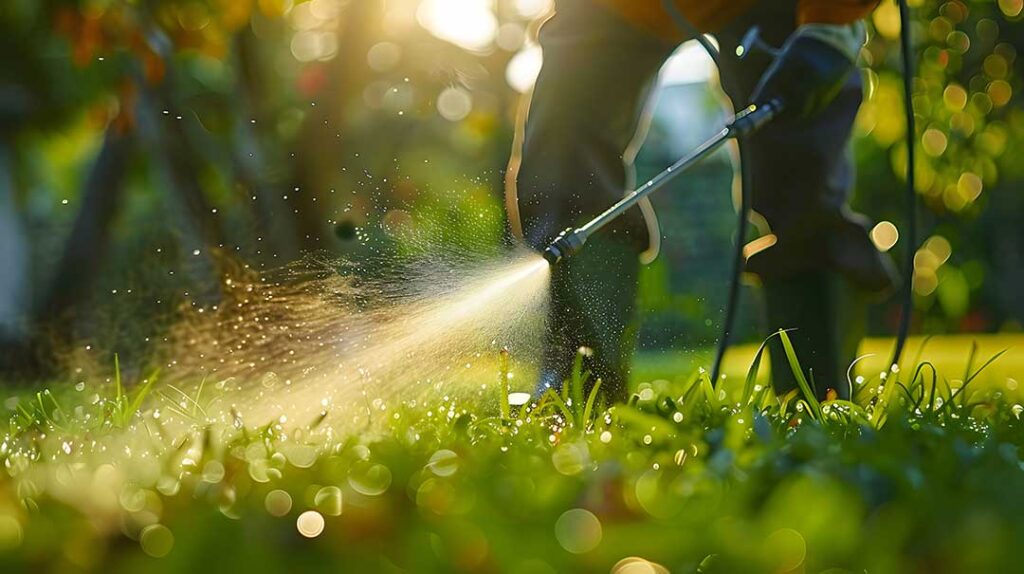
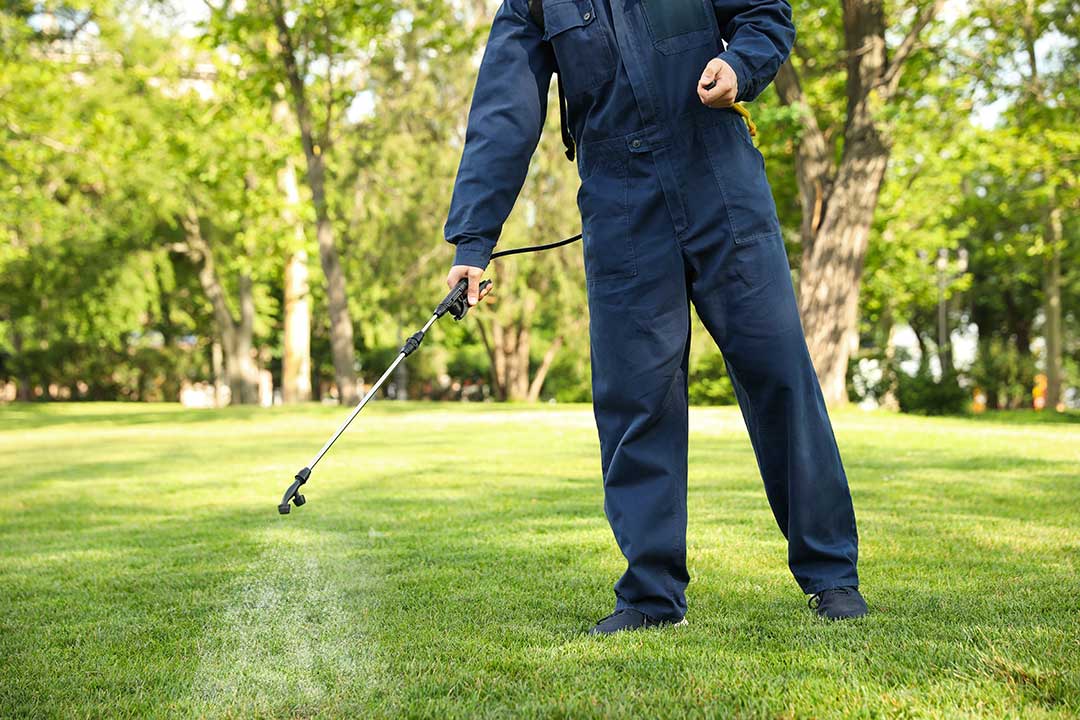
Broad outdoor spraying may reduce adult mosquitoes temporarily, but it does not correct the breeding sites that produce new mosquitoes. It can also affect other insects, including beneficial species, and should not be used casually around children, pets, gardens, ponds, or pollinator habitat.
Source reduction should come first. If a product is used, read the label carefully, keep people and animals away as directed, avoid spraying blooming plants where pollinators are active, and never apply more than the label allows.
Persistent water in a damaged drainage structure, neglected pool, or inaccessible area may require specialized handling. Situations involving unsafe access, large amounts of standing water, or suspected mosquito-borne illness should be addressed through appropriate public-health or environmental channels rather than improvised treatment.
A practical weekly backyard check
A short inspection can prevent many problems:
- Walk the property after rainfall.
- Empty and scrub containers.
- Check gutters, downspouts, and drains.
- Remove water from pool covers.
- Inspect toys, tarps, furniture, and garden tools.
- Refresh or clean birdbaths.
- Confirm that rain barrels are screened.
- Trim vegetation near outdoor seating.
- Look beneath decks and around foundations.
- Check the yard again before evening activities.
Consistent weekly maintenance is more dependable than waiting until mosquitoes become noticeable. In a region with changing temperatures and frequent summer rainfall, prevention works best as a routine from spring through the end of the warm season.